Discover the History and Heritage of Wellington NSW • Dubbo Region Skip to main content

Step back in time and uncover the rich history and heritage of Wellington NSW. Explore Australia's second-oldest inland settlement, discover heritage buildings, public art, museums, memorials, scenic drives and fascinating stories that have shaped one of the Dubbo Region's most historic towns.

Why Explore Wellington's History & Heritage?

Wellington's history is far more than heritage buildings... it's a collection of stories that span thousands of years. From the enduring connection of the Wiradjuri people to Country, to convict beginnings, pioneering families, Cobb & Co coaches, Chinese gold rush history and Australia's first megafauna fossil discoveries, Wellington NSW offers one of the richest historical experiences in regional New South Wales.

Along the way you'll discover:

🏛 Heritage Buildings & Historic Streetscapes
Admire beautifully preserved churches, hotels, railway buildings, civic architecture and historic homes that showcase Wellington's rich architectural heritage and the people who helped build the town.

🏺 Museums & Local Stories
Step inside Wellington Museum to explore artefacts, photographs, family histories and exhibitions that tell the story of Wellington from John Oxley's arrival in 1817 through to the present day.

🎨 Public Art, Sculptures & Memorials
Discover striking public artworks, sculptures and memorials including the Wellington Gateway Sculpture, Dry Stone Wall Trail, Binjang Obelisk, Wiradjuri sculptures and monuments celebrating the town's unique history and identity.

🌿 Wiradjuri, Convict & Pioneer History
Learn about the traditional custodians of the land, Wellington's establishment as a Convict Agricultural Station in 1823, the former Aboriginal Mission at Maynggu Ganai and the pioneers who shaped one of Australia's oldest inland settlements.

🚶 Historic Walking Tours & Heritage Drives
Explore Wellington on foot through the Historical Walking Tour or venture further along the Montefiores and Stuart Town Heritage Drives to uncover fascinating stories, historic villages and hidden gems.

🚂 Cobb & Co, Rail & Transport Heritage
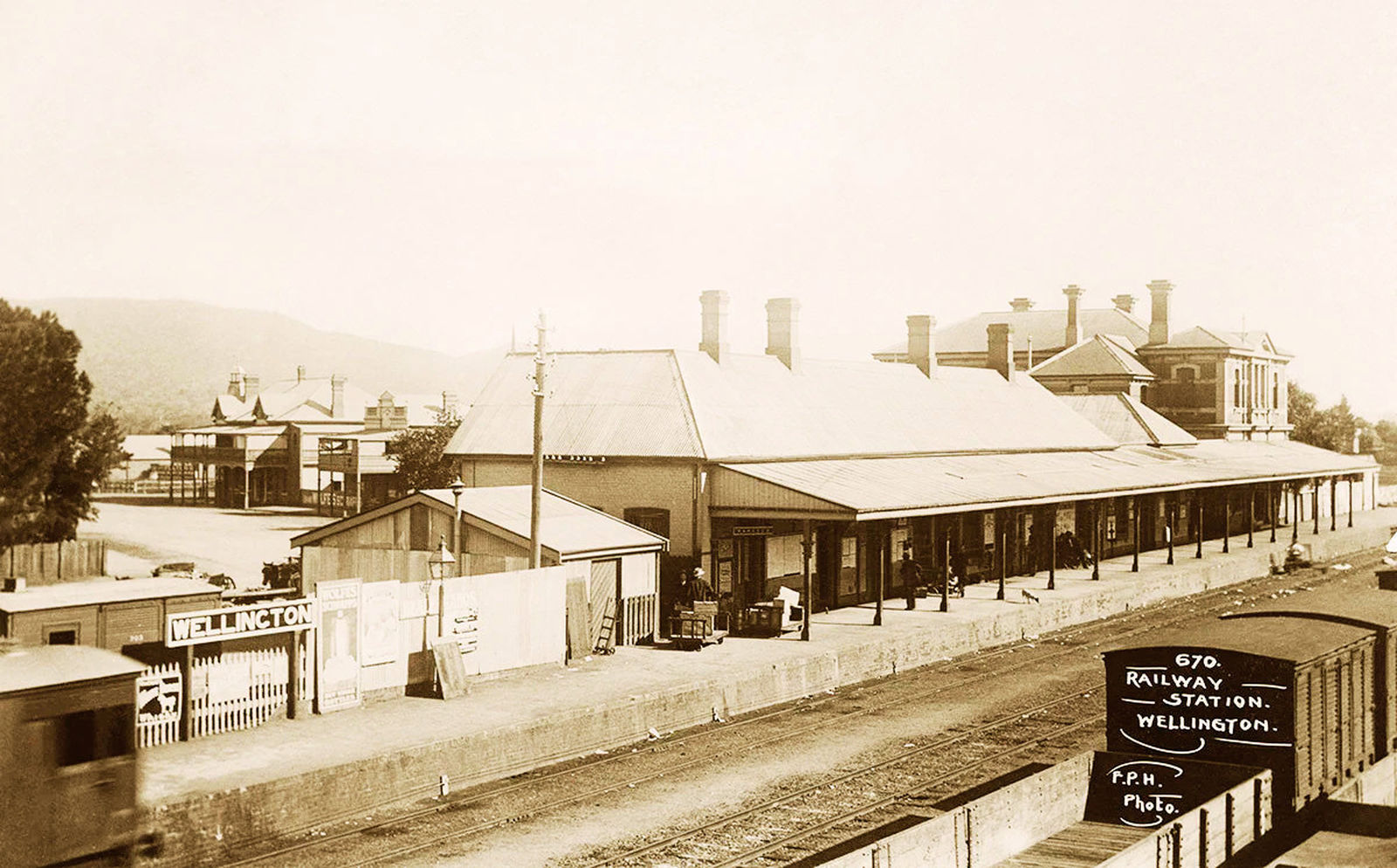
Discover Wellington's important role as a Cobb & Co coaching stop before the arrival of the railway in 1880 and learn how transport helped shape the region's development.

🪖 Military History & Memorials
Visit Cameron Park's impressive Cenotaph and Memorial Gates, honouring generations of Wellington men and women who served their country, alongside military memorabilia preserved at Wellington Museum.

📸 Unique Stories & Hidden History
Stand where Australia's last recorded pistol duel took place, discover the story behind the 1989 Wellington Bridge collapse and uncover the fascinating events that make Wellington unlike anywhere else.

👨‍👩‍👧 Experiences for Everyone
Whether you're passionate about history, travelling with family or simply exploring the Dubbo Region, Wellington offers memorable experiences for visitors of all ages.

Best of all, many of Wellington's history and heritage attractions are free to explore, making them a perfect addition to your Dubbo Region itinerary.
Please note: Some heritage buildings, monuments and cultural sites featured on this page are privately owned, active places of worship, community-managed facilities or protected heritage places. While Dubbo Regional Council has compiled this guide to help visitors explore Wellington's rich history, opening hours, accessibility and site conditions may change over time. Please respect private property, follow any signage and help preserve these important places for future generations.

Wellington Historical Walking Tour

Step back through more than 200 years of history as you explore the streets of Wellington NSW, one of Australia's oldest inland settlements. The self-guided Wellington Historical Walking Tour takes visitors on a journey through the people, places and events that helped shape the town from its earliest days to the thriving community it is today.

Beginning in the heart of Wellington, the walk leads you past beautifully preserved heritage buildings, churches, hotels and public spaces, each with its own story to tell. Discover the influence of the Wiradjuri people, the establishment of the Convict Agricultural Station in 1823, the arrival of early settlers, and the important role Wellington played as a transport, agricultural and administrative centre for inland New South Wales.

Along the way you'll encounter landmarks including the historic courthouse precinct, Cameron Park, the Wellington Museum, Fong Lee's Lane, heritage hotels and many buildings that have stood for well over a century. Interpretive signage throughout the town helps bring these stories to life, offering fascinating insights into Wellington's Aboriginal heritage, pioneering families, military history and community spirit.

Whether you're a history enthusiast, architecture lover or simply curious about the town's past, the Wellington Historical Walking Tour offers a relaxed and rewarding way to discover one of the Dubbo Region's most significant historic destinations. Allow around one to two hours to complete the walk at your own pace, with plenty of opportunities to stop for photographs, browse local shops or enjoy a coffee along the way.

Visitor Tip

Start your walk at the Wellington Visitor Information Centre to collect the latest maps and local information before exploring the town. Comfortable walking shoes, a hat and water are recommended, particularly during the warmer months.

Download

📄 Wellington Historical Walking Tour Map & Guide

Wellington Museum

Discover the stories that shaped Wellington NSW at the Wellington Museum, located in the historic former Wellington Police Station and Gaol at 5 Maughan Street. Operated by the Wellington Historical Society, the museum is one of the region's most important heritage attractions, offering visitors the opportunity to explore both its extensive collections and one of Wellington's most significant historic buildings.

Step inside the original police station, wander through the former gaol cells and visit the exercise yard, affectionately known as the "Bird Cage", to experience a fascinating chapter of Wellington's past. The building itself provides a rare glimpse into law enforcement and community life during the late nineteenth and early twentieth centuries.

Inside the museum, you'll discover a remarkable collection of artefacts, photographs, documents and memorabilia that trace the history of Wellington NSW and the surrounding district. Exhibitions explore the stories of early exploration, pioneering families, agriculture, local businesses, education, transport, community organisations, sporting achievements and everyday life, while dedicated military displays honour the service and sacrifice of local men and women across generations.

For those researching local or family history, the Wellington Historical Society maintains an extensive archive of photographs, newspapers, publications, historical records and family name files. Volunteers are available to assist with enquiries, and a research service is also available for more detailed investigations (fees may apply).

With new acquisitions and rotating displays regularly added to the collection, there's always something new to discover. Whether you're interested in local history, genealogy, heritage architecture or simply learning more about one of inland Australia's oldest settlements, the Wellington Museum offers an engaging experience for visitors of all ages.

Visitor Tip

Allow at least an hour to explore the museum and historic gaol, and take the opportunity to speak with the passionate volunteers. Their local knowledge and personal stories provide an extra insight into Wellington's rich history that you won't find in the displays alone.

Opening Hours

Friday, Saturday & Sunday
10.00am – 2.00pm

Group bookings and school visits can be arranged by appointment.

Download

📄 Wellington Museum Visitor Guide

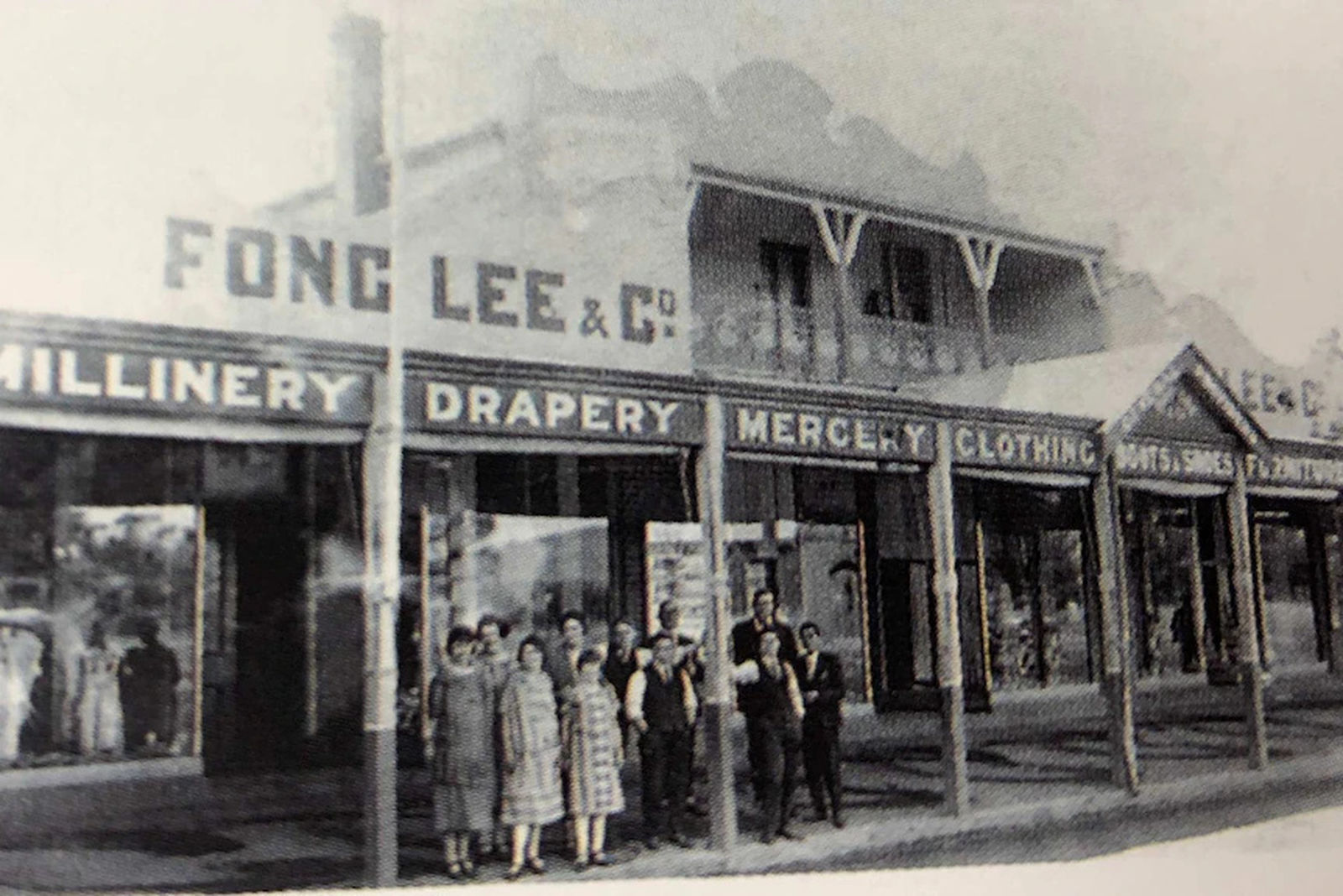
Fong Lee's Lane & Chinese Heritage

Hidden in the heart of Wellington NSW, Fong Lee's Lane celebrates an important chapter in the town's rich multicultural history. During the gold rush era of the mid to late 1800s, Chinese migrants played a significant role in the development of Wellington and the surrounding district, establishing businesses, market gardens and contributing to the local economy and community.

Today, Fong Lee's Lane serves as a reminder of this important heritage. The lane is named in recognition of the Chinese community and provides visitors with an opportunity to reflect on the stories of those who helped shape Wellington's history through hard work, resilience and enterprise.

Each year the lane comes alive during the Fong Lee's Lane Festival, where visitors can enjoy Chinese cultural performances, dragon dancing, music, market stalls, food vendors and family-friendly activities celebrating Wellington's Chinese heritage. The festival has become one of the town's signature cultural events and continues to strengthen connections between Wellington's past and present.

While exploring the lane, take time to discover the surrounding heritage buildings, public art and local businesses that make this part of Wellington's town centre so unique.

Visitor Tip

Combine a visit to Fong Lee's Lane with the Wellington Historical Walking Tour and Wellington Museum to gain a deeper understanding of the people and cultures that have shaped the town.

Download

📄 Wellington Historical Walking Tour Map

Wellington Arts Centre & Community Arts

Creativity continues to thrive in Wellington NSW through the work of Wellington Arts Inc. and the Western Gallery, where local artists, makers and community groups celebrate the region's creative spirit through exhibitions, workshops and special events.

Located in the heart of Wellington, the gallery showcases a diverse collection of works by local and regional artists, with exhibitions changing throughout the year. Visitors can discover paintings, sculptures, ceramics, photography and mixed-media works that reflect the landscapes, people and stories of the Central West.

Wellington Arts Inc. also hosts workshops, demonstrations, festivals and community events, including the popular Fong Lee's Lane Festival celebrating Wellington's Chinese heritage. The organisation continues to foster creativity across the community while providing opportunities for artists of all ages and abilities to exhibit and share their work.

Recent initiatives, including the inspiring ConArt Exhibition, have highlighted the power of art to connect communities, challenge perceptions and tell important stories through creativity.

Whether you're an art lover or simply looking for something different to explore, the Wellington Arts Centre offers a welcoming space to experience the region's creative culture.

Visitor Tip

Check the Wellington Arts Facebook page or contact the gallery before your visit to see what's currently on exhibition or if any workshops or community events are taking place.

Download

📄 Art, Displays & Museums Guide

Historic Monuments & Public Art in Wellington NSW

Throughout Wellington NSW, public art, monuments and sculptures tell the stories of the people, places and events that have shaped one of Australia's oldest inland settlements. From striking gateway sculptures and commemorative memorials to Aboriginal artwork and prehistoric megafauna, these landmarks provide another way to experience Wellington's rich history and cultural identity.

One of Wellington's most recognisable landmarks is the Wellington Gateway Sculpture, located at the intersection of the Mitchell Highway and Caves Road. Created by regional artist Fran Ferguson and unveiled in 1994, the sculpture was designed as a symbolic gateway to the town and reflects Wellington's unique identity, history and natural environment. The nine-metre-high tripod structure incorporates steel salvaged from the original Wellington Bridge, which collapsed in 1989 after a truck accident, transforming a significant local event into an enduring piece of public art. The sculpture also features mosaic panels created by local students, community members and the Orana Aboriginal Corporation, celebrating Wellington's Aboriginal culture, landscapes, history and community.

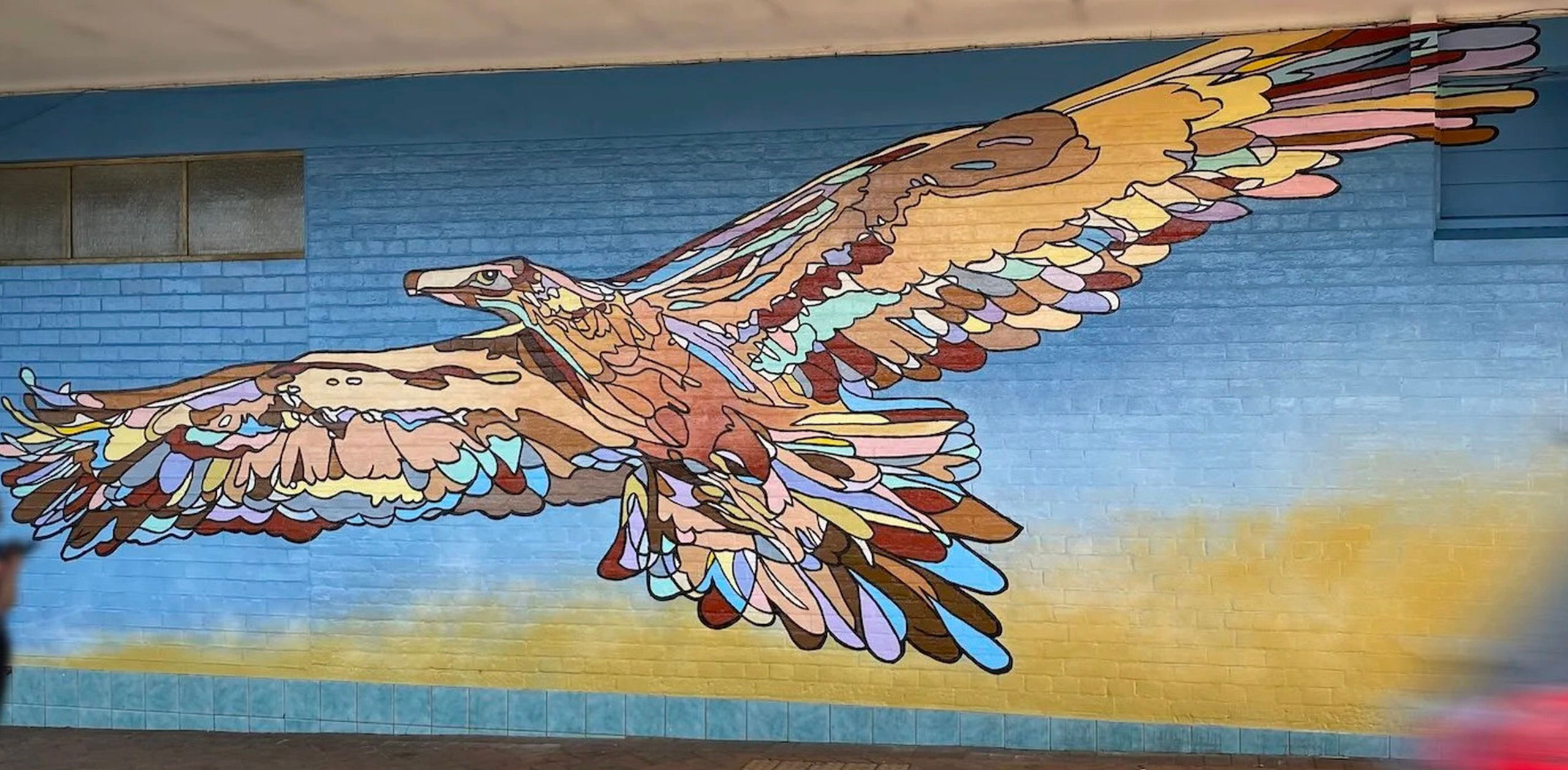
As you explore the town, you'll also discover the striking Binjang Obelisk outside the Wellington Visitor Information Centre, the Wiradjuri Wedge-tailed Eagle sculpture in Cameron Park and the colourful Maliyan (Wedge-tailed Eagle) mural, celebrating the region's Aboriginal culture and connection to Country. At the Wellington Caves precinct, the life-sized Diprotodon sculpture provides a reminder that Wellington is home to Australia's first recorded megafauna fossil discoveries.

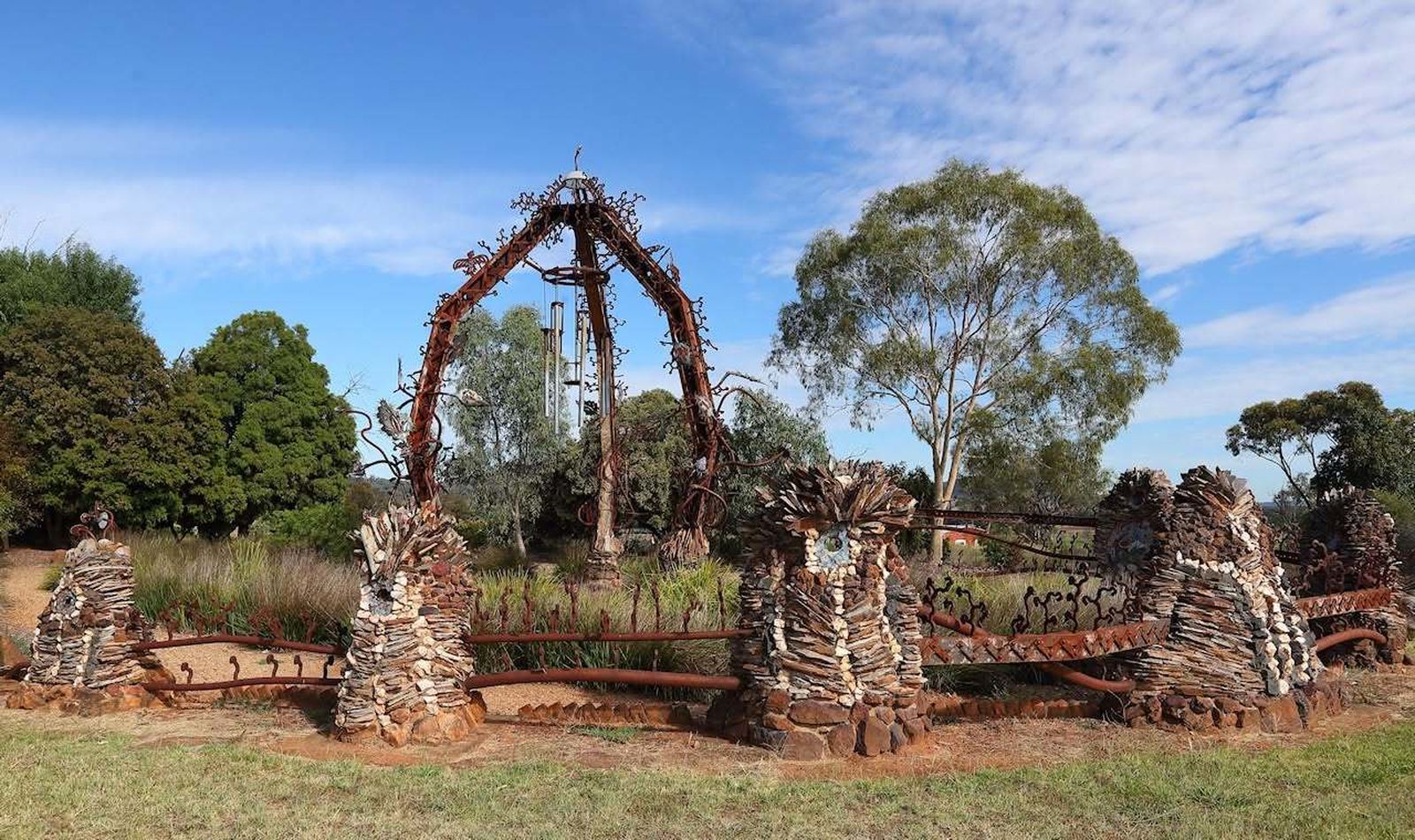
Art continues beyond the town centre through initiatives such as the Dry Stone Wall Trail, featuring six sculptural installations inspired by the internationally recognised Great Australian Stone Festival, and the quirky Animals on Bikes Trail, where creatively crafted sculptures can be discovered throughout the surrounding region.

Together, Wellington's monuments, sculptures and public art create an open-air gallery that celebrates the town's remarkable history, creativity and community spirit.

Visitor Tip

Many of Wellington's public artworks are located throughout the town centre and can easily be explored on foot. Others, including the Gateway Sculpture and Dry Stone Wall Trail, are best visited by car as part of a day exploring the Wellington region.

Download

📄 Art, Displays & Museums Guide 📄Dry Stone Wall Trail 📄Wellington Gateway Sculpture 📄Animals on Bikes Trail

Cameron Park & Wellington War Memorial

Located in the heart of Wellington NSW, Cameron Park is both a peaceful green space and one of the town's most significant places of remembrance. Beautifully landscaped and surrounded by heritage buildings, the park has long been a gathering place for the local community and remains the focal point for ANZAC Day and Remembrance Day commemorations.

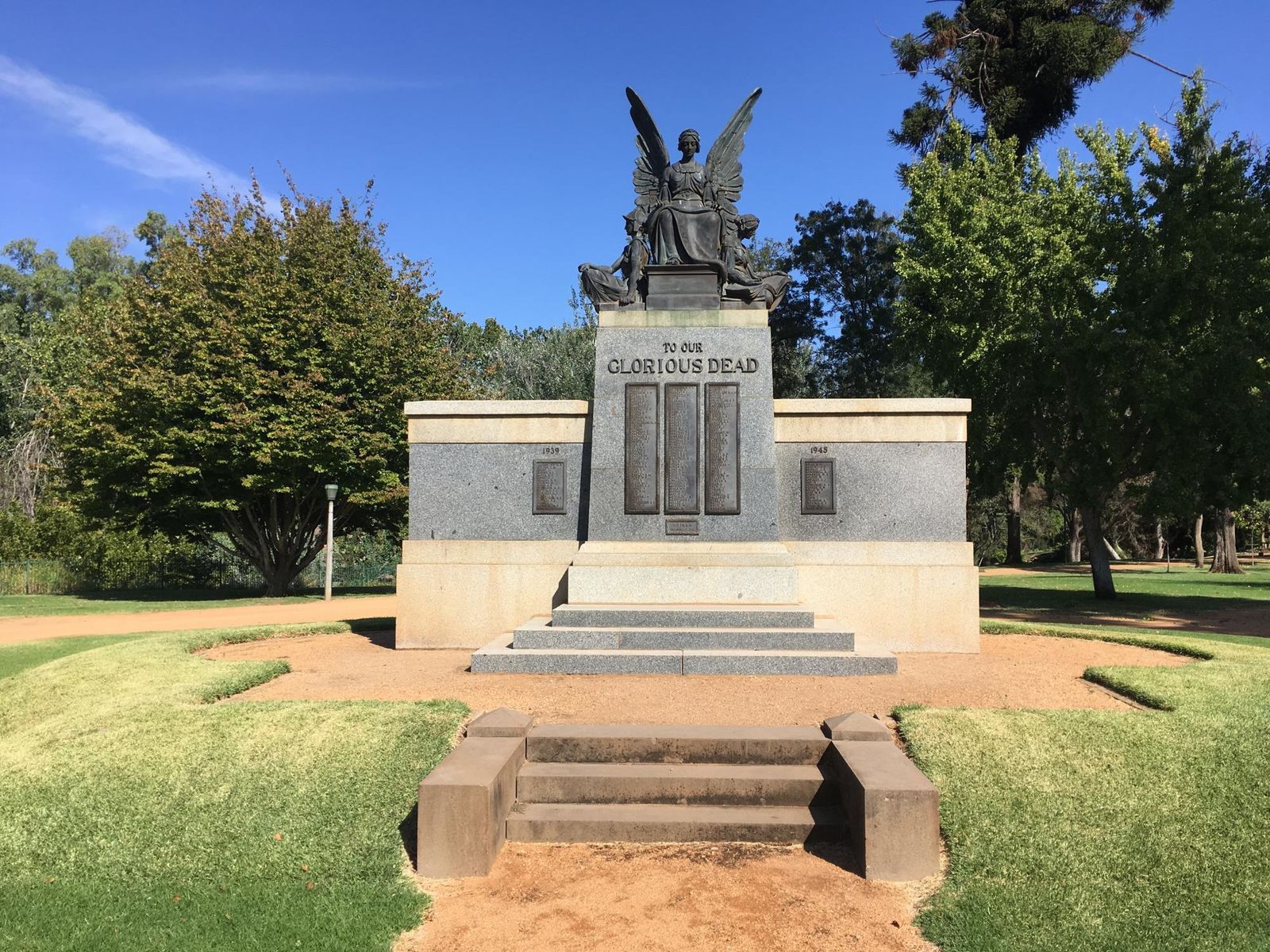
At the centre of the park stands the impressive Wellington Cenotaph, originally conceived following the First World War. Designed by sculptor Gilbert Doble, the memorial was dedicated in 1923, with its striking bronze figures completed in 1933. The cenotaph honours the men and women of the Wellington district who gave their lives in military service and remains one of the most significant war memorials in regional New South Wales.

Opposite the cenotaph stand the elegant Memorial Gates, unveiled on ANZAC Day in 1923 and gifted by prominent local citizen Murdoch McLeod in honour of the district's servicemen. Together with the cenotaph, honour rolls and military displays housed at the Wellington Museum, they tell the story of the Wellington community's contribution to conflicts from the First World War onwards.

Visitors will also find the restored 25 Pounder Gun Howitzer, presented to the people of Wellington by the local RSL Sub-branch in 1992 to commemorate those who served during the Second World War. Nearby public sculptures, mature trees and beautifully maintained gardens make Cameron Park an inviting place to pause, reflect and appreciate both Wellington's history and its community spirit.

Visitor Tip

Combine your visit with the Wellington Museum, located just a short walk away, where you'll find additional military displays, honour rolls and stories of the Wellington district's servicemen and women.

Download

📄 Wellington War Memorial Guide

Montefiores Heritage Drive

Cross the Macquarie River and discover Montefiores, one of the earliest European settlements in the Wellington district. Rich in history and character, this small village offers a fascinating glimpse into the pioneering years of inland New South Wales and is an essential stop for anyone interested in Wellington's heritage.

The self-guided Montefiores Heritage Drive takes visitors through the historic village, highlighting significant buildings, river crossings and sites associated with Wellington's earliest settlers. It was here that some of the district's first businesses, inns and public services were established, long before the township of Wellington was officially gazetted in 1846.

The drive also includes one of Wellington's most iconic landmarks, the Lion of Waterloo, the oldest continuously licensed hotel west of the Blue Mountains. Originally serving travellers, settlers and Cobb & Co passengers, the hotel continues to welcome visitors today and remains an important part of Wellington's living history.

With scenic views across the Macquarie River, historic streetscapes and stories dating back almost two centuries, Montefiores offers a unique opportunity to step back in time and experience the origins of Wellington.

Visitor Tip

Allow extra time to stop at the Lion of Waterloo for a meal or refreshment before continuing your heritage journey through Wellington and the surrounding district.

Download

📄 Montefiores Heritage Drive Guide

Maynggu Ganai – Wellington Convict Station

Long before Wellington became a thriving inland town, this area was home to the Wiradjuri people, the Traditional Custodians of the land who have lived, cared for and maintained a deep spiritual connection to Country for tens of thousands of years.

In 1823, the site became home to the Wellington Convict Agricultural Station, established by the colonial government as one of the first European settlements west of the Blue Mountains. Convicts worked the land, constructed buildings and developed farming operations, while interactions between settlers and the Wiradjuri people became an important, and often complex, part of Wellington's early history.

Today, the site is known as Maynggu Ganai, recognising the continuing connection of the Wiradjuri people to this significant place. Visitors can explore the archaeological remains of the former convict station through interpretive displays and walking paths that share stories of the people who lived and worked here, along with the evolving relationship between Aboriginal and European communities during the early colonial period.

Maynggu Ganai offers visitors an opportunity to reflect on an important chapter of Australia's history while gaining a deeper understanding of the cultural significance of this landscape. The site is a place of learning, remembrance and respect, providing valuable insight into both the First Nations history of the region and Wellington's role in the early expansion of inland New South Wales.

Visitor Tip

Allow time to read the interpretive signage throughout the site to gain a deeper appreciation of the stories and significance of Maynggu Ganai. Pair your visit with the Wellington Museum and Historical Walking Tour for a broader understanding of Wellington's early history.

Download

📄 Maynggu Ganai Discovery Guide

Cobb & Co Heritage Trail & The Lion of Waterloo

Follow the route of Australia's famous horse-drawn coaches and discover Wellington's important role in the development of inland transport during the nineteenth century. The Cobb & Co Heritage Trail explores the buildings, landmarks and stories associated with one of Australia's most iconic transport companies and the travellers who passed through Wellington on their journeys across New South Wales.

A highlight of the trail is the Lion of Waterloo Hotel in nearby Montefiores. Built in 1841 and granted its licence in 1842, it is recognised as the oldest continuously licensed hotel west of the Blue Mountains. Over the years the hotel has welcomed explorers, settlers, gold seekers, teamsters and Cobb & Co passengers, becoming an important meeting place for the district.

The Lion of Waterloo also served as a Cobb & Co horse change station, where fresh horses were harnessed before coaches continued their journey across the Central West. Today, visitors can still experience the atmosphere of this remarkable heritage building while enjoying a meal or refreshment in one of regional Australia's most historic pubs.

The trail also shares lesser-known stories from Wellington's past, including the site of Australia's last recorded pistol duel, fought in 1854 between Dr Samuel Curtis and Mr Sheridan near what is now Teamster Park. A plaque marks the location, offering another fascinating glimpse into the colourful history of the district.

Whether you're interested in coaching history, colonial architecture or simply love uncovering unique stories, the Cobb & Co Heritage Trail provides a memorable journey into Wellington's pioneering past.

Visitor Tip

Plan to enjoy lunch or dinner at the historic Lion of Waterloo before continuing your exploration of Montefiores and Wellington's heritage attractions.

Download

📄 Cobb & Co Heritage Trail Guide

Stuart Town Heritage Drive

Just 35 minutes south-east of Wellington, the village of Stuart Town invites visitors to experience another chapter of the region's rich history. Originally known as Ironbarks, the village grew during the gold rush of the 1850s before later becoming famous through Banjo Paterson's poem The Man from Ironbark.

The Stuart Town Heritage Drive showcases many of the village's historic buildings and sites, providing visitors with an insight into life during the gold mining era and the development of one of the Central West's most enduring rural communities.

As you explore, you'll discover heritage churches, historic homes, former hotels and community buildings that tell the story of the pioneers, miners and families who helped shape the district. Interpretive signage throughout the village provides additional information, allowing visitors to enjoy the drive at their own pace.

The scenic drive also offers beautiful countryside views and provides an enjoyable extension to any visit to Wellington, making it ideal for travellers interested in history, photography and exploring beyond the main township.

Visitor Tip

Combine the Stuart Town Heritage Drive with the nearby Wellington Heritage attractions for a full day exploring the fascinating history of the Dubbo Region.

Download

📄 Stuart Town Heritage Drive Guide

Wellington Caves & Megafauna

The Wellington Caves are one of Australia's most significant natural and historical attractions, offering visitors a unique opportunity to explore ancient limestone caves and discover the remarkable stories hidden beneath the landscape.

Formed over millions of years, the Cathedral Cave and Gaden Cave feature spectacular limestone formations including towering stalagmites, delicate shawls, crystal decorations and underground chambers that continue to captivate visitors from around the world. Guided tours reveal the geological processes that created these remarkable caves while sharing stories of the explorers, scientists and researchers who have studied them for generations.

The Wellington Caves Reserve is internationally recognised for its contribution to Australian science. It was here that some of Australia's earliest megafauna fossil discoveries were made, providing invaluable insight into the giant animals that once roamed the continent more than 40,000 years ago. Visitors can see the impressive Diprotodon sculpture, representing the largest known marsupial to have ever lived, and learn more about these prehistoric creatures through interpretive displays throughout the reserve.

The reserve also features walking tracks, picnic facilities, accommodation, a café and beautiful open spaces, making it an ideal destination for families and visitors wanting to spend several hours exploring the area.

Visitor Tip

Book your guided cave tour in advance, particularly during school holidays and peak travel periods. Allow plenty of time to explore the Visitor Centre, walking trails and surrounding reserve.

Download

📄 Wellington Caves Visitor Guide

Mount Arthur Reserve

Rising above Wellington NSW, Mount Arthur Reserve offers spectacular panoramic views, peaceful bushwalking and an opportunity to experience one of the region's most significant natural landscapes. Located just minutes from the town centre on Wiradjuri Country, the reserve protects more than 2,100 hectares of native bushland and forms part of the northern reaches of the Catombal Range.

The reserve is named after Mount Arthur, one of three prominent peaks first recorded by explorer John Oxley and his expedition in August 1817. Along with Mount Wellesley and Mount Duke, these landmarks became important reference points during the early exploration of inland New South Wales and continue to define the landscape surrounding Wellington today.

Visitors can enjoy a network of walking tracks ranging from easy strolls to longer bushwalks through native woodland, with opportunities to spot local birdlife, wildflowers and a variety of native plants. During spring, the reserve comes alive with colourful displays of wattles, pea flowers, bluebells and other native species, making it a favourite destination for photographers and nature lovers.

At the summit lookout, sweeping views stretch across the Wellington Valley, the Bell and Macquarie Rivers and the surrounding countryside, providing one of the best vantage points in the Dubbo Region. Whether you're seeking a peaceful picnic, a scenic walk or simply somewhere to appreciate the natural beauty of the area, Mount Arthur Reserve is well worth adding to your Wellington itinerary.

Visitor Tip

Visit early in the morning or late afternoon for the best light, cooler temperatures and excellent photography opportunities. Don't forget sturdy walking shoes, water and your camera.

Download

📄 Mount Arthur Reserve Walking Track Map

Osawano Japanese Garden, Wellington NSW

Nestled within the Wellington Caves Reserve, the Osawano Japanese Garden is a peaceful sanctuary that celebrates the long-standing friendship between Wellington and its Japanese sister city, Osawano (now part of Toyama City). Opened in 1999, the garden symbolises the cultural connections formed through decades of friendship, exchange and goodwill between the two communities.

Designed in the traditional Japanese style, the garden features winding pathways, ornamental bridges, tranquil ponds, carefully placed rocks, stone lanterns and a stunning collection of Japanese maples, flowering shrubs and seasonal plants. Every element has been thoughtfully positioned to create a sense of harmony, balance and reflection, inviting visitors to slow down and appreciate the beauty of the natural surroundings.

Throughout the seasons, the garden offers a changing display of colour. Spring brings fresh blossoms and new growth, while autumn transforms the landscape into a spectacular display of brilliant reds, oranges and golds, making it one of the most photographed locations in the Wellington region.

The Osawano Japanese Garden is a favourite destination for photographers, artists and visitors seeking a quiet place to relax after exploring the nearby Wellington Caves. With accessible pathways, shaded seating areas and picturesque views, it provides a beautiful setting for a leisurely stroll or a peaceful picnic.

Located within the Wellington Caves precinct, the garden can easily be combined with a guided cave tour, the Visitor Experience Centre, café and surrounding walking trails, making it an essential stop on any visit to Wellington.

Visitor Tip

Visit during autumn to experience the vibrant colours of the Japanese maples, or enjoy the peaceful atmosphere early in the morning before exploring the Wellington Caves. Allow around 30–45 minutes to wander through the gardens at a relaxed pace.

Download

📄 Japanese Garden Visitor Guide

More History & Heritage to Discover

Wellington's stories extend well beyond the town centre. Discover heritage villages, scenic drives, museums, public art, historic pubs, memorials, nationally significant fossil sites and beautiful parks that showcase the people, places and events that have shaped this remarkable region.

Take time to wander through Cameron Park, enjoy the tranquillity of the Osawano Japanese Garden, visit the Wellington Caves and Discovery Lab, explore the Dry Stone Wall Trail or follow the Animals on Bikes Trail through the surrounding countryside. Whether you're spending a few hours or a few days, every corner of Wellington reveals another chapter in its fascinating history.

Plan Your Visit

Exploring the history and heritage of Wellington NSW is one of the best ways to discover one of inland Australia's oldest settlements. Many of the town's historic buildings, museums, memorials and public spaces are within easy walking distance of the CBD, while scenic heritage drives lead to nearby villages, landmarks and attractions.

Whether you're following the Historical Walking Tour, exploring the Wellington Museum, discovering the stories of Maynggu Ganai, or venturing to the Lion of Waterloo and Wellington Caves, you'll find plenty of opportunities to slow down, uncover local history and enjoy the welcoming hospitality of the Dubbo Region.

Before You Go...

📍 Start at the Wellington Visitor Information Centre
Call into the Wellington Visitor Information Centre to collect maps, heritage guides and local advice. The team can help you plan your visit and point you towards hidden gems, local events and attractions throughout the region.

🚶 Allow Plenty of Time
Allow 2–4 hours to explore Wellington's historic town centre, or plan a full day if you're visiting the Wellington Caves, Osawano Japanese Garden, Montefiores, Stuart Town and other nearby attractions.

🚗 Explore Beyond the Town Centre
Many of Wellington's heritage attractions are within walking distance, while others... including the Wellington Gateway Sculpture, Lion of Waterloo, Wellington Caves, Mount Arthur Reserve and Burrendong Botanic Garden & Arboretum... are just a short drive away.

📷 Bring Your Camera
From heritage buildings and public art to historic pubs, memorials, riverside parks and spectacular landscapes, Wellington offers countless opportunities to capture memorable moments.

Accessibility
Many attractions offer accessible pathways and facilities. As some heritage buildings and outdoor sites have uneven surfaces or limited access, it's recommended to check accessibility details before visiting.

🌤️ Best Time to Visit
Wellington is a year-round destination, with every season offering something different. Spring and autumn provide ideal weather for walking tours and heritage drives, while winter is perfect for exploring museums, galleries and the Wellington Caves. Summer brings vibrant gardens, riverside parks and longer days to discover more of the region.

Make a Day of It

Turn your heritage adventure into a full day of discovery in Wellington NSW. After exploring the town's historic streets, museums and landmarks, venture to the Wellington Caves, stroll through the tranquil Osawano Japanese Garden, explore Mount Arthur Reserve, or enjoy the natural beauty of the Burrendong Botanic Garden & Arboretum.

Take time to relax over lunch or coffee at one of Wellington's welcoming cafés, enjoy a meal at a historic country pub such as the Lion of Waterloo, or browse local galleries and specialty shops. Whether you're visiting for a few hours or planning a weekend escape, Wellington offers plenty of reasons to stay a little longer and discover more of the Dubbo Region.

Know Before You Go

What is Wellington NSW famous for?
Wellington NSW is one of Australia's oldest inland settlements and is renowned for its rich Wiradjuri and European history, the Wellington Caves, Australia's first megafauna fossil discoveries, heritage buildings, the Lion of Waterloo, historic walking trails and beautiful natural attractions.

How old is Wellington NSW?
Wellington was established as a Convict Agricultural Station in 1823, making it the second-oldest European settlement west of the Blue Mountains. The area has been home to the Wiradjuri people for thousands of years and continues to celebrate this rich cultural heritage.

How long does the Wellington Historical Walking Tour take?
The self-guided Wellington Historical Walking Tour takes approximately 1–2 hours, allowing visitors to explore heritage buildings, monuments, historic landmarks and significant sites throughout the town centre at their own pace.

Is Wellington NSW worth visiting?
Absolutely. Wellington combines history, heritage, culture and nature in one destination. Visitors can explore museums, heritage trails, historic pubs, public art, the Wellington Caves, Osawano Japanese Garden and nearby heritage villages, making it an ideal day trip or weekend escape in the Dubbo Region.

What are the must-see heritage attractions in Wellington NSW?
Some of Wellington's must-see heritage attractions include the Wellington Historical Walking Tour, Wellington Museum, Maynggu Ganai (Wellington Convict Station), Cameron Park and War Memorial, Fong Lee's Lane, the Lion of Waterloo, Montefiores Heritage Drive and Stuart Town Heritage Drive.

What makes Wellington NSW unique?
Wellington is home to many remarkable stories, including Australia's first megafauna fossil discoveries, the oldest licensed operating hotel west of the Blue Mountains, the site of Australia's last recorded pistol duel and one of regional NSW's richest collections of Aboriginal, convict and pioneering history.

Where can I learn more about Wellington's history?
Start at the Wellington Visitor Information Centre before visiting the Wellington Museum, following the Historical Walking Tour and exploring Wellington's heritage trails, museums, monuments and historic landmarks throughout the town.

Disclaimer:
While every effort has been made to ensure the information on this page is accurate at the time of publication, opening hours, accessibility and site information may change over time. Some heritage buildings, museums and cultural sites featured on this page are privately owned or managed by community organisations. Visitors are asked to respect private property, follow all signage and help preserve Wellington's unique history and heritage for future generations.