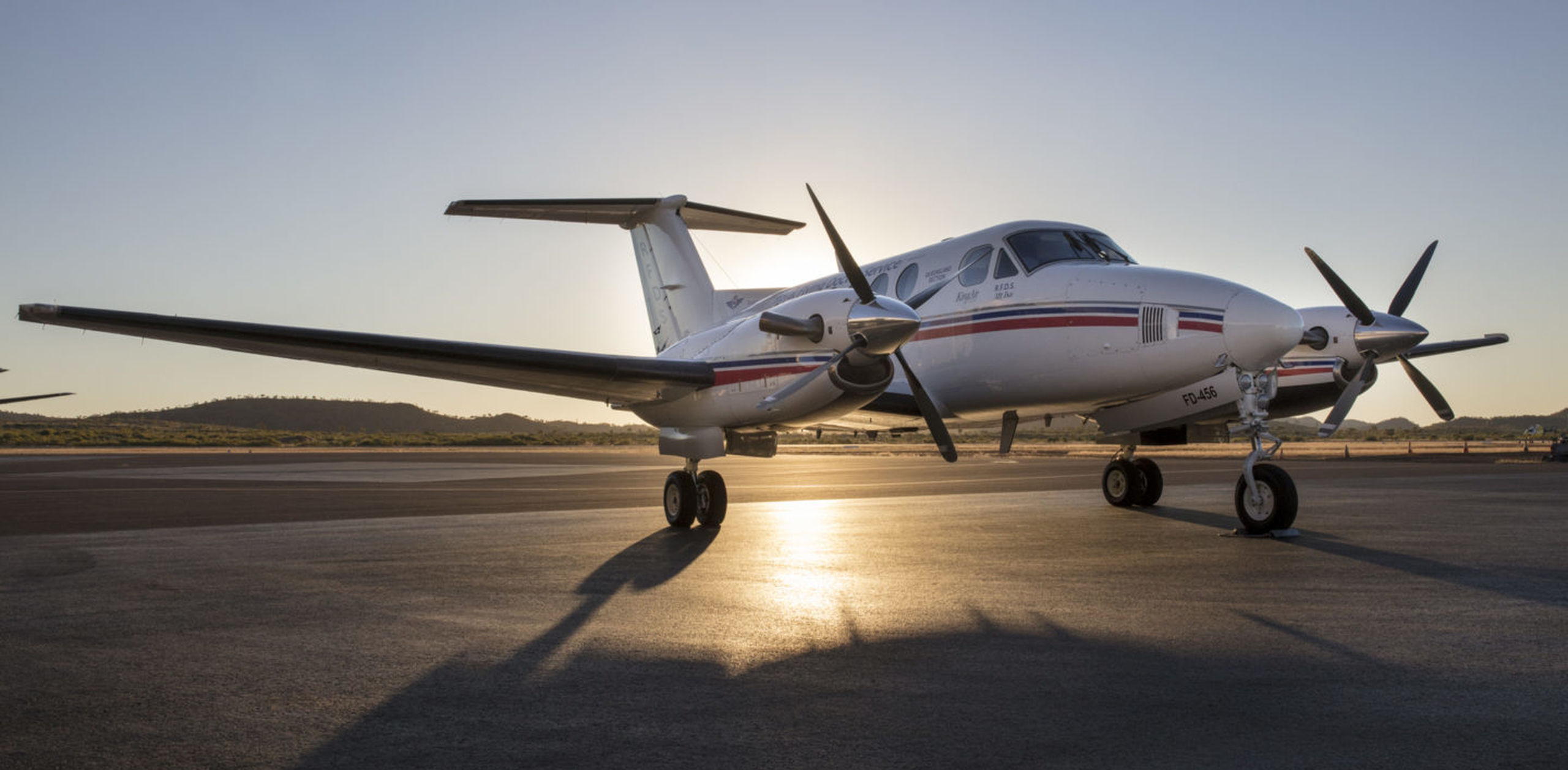
Not your average day at work.
A career that takes you anywhere and brings you the home and lifestyle you want.
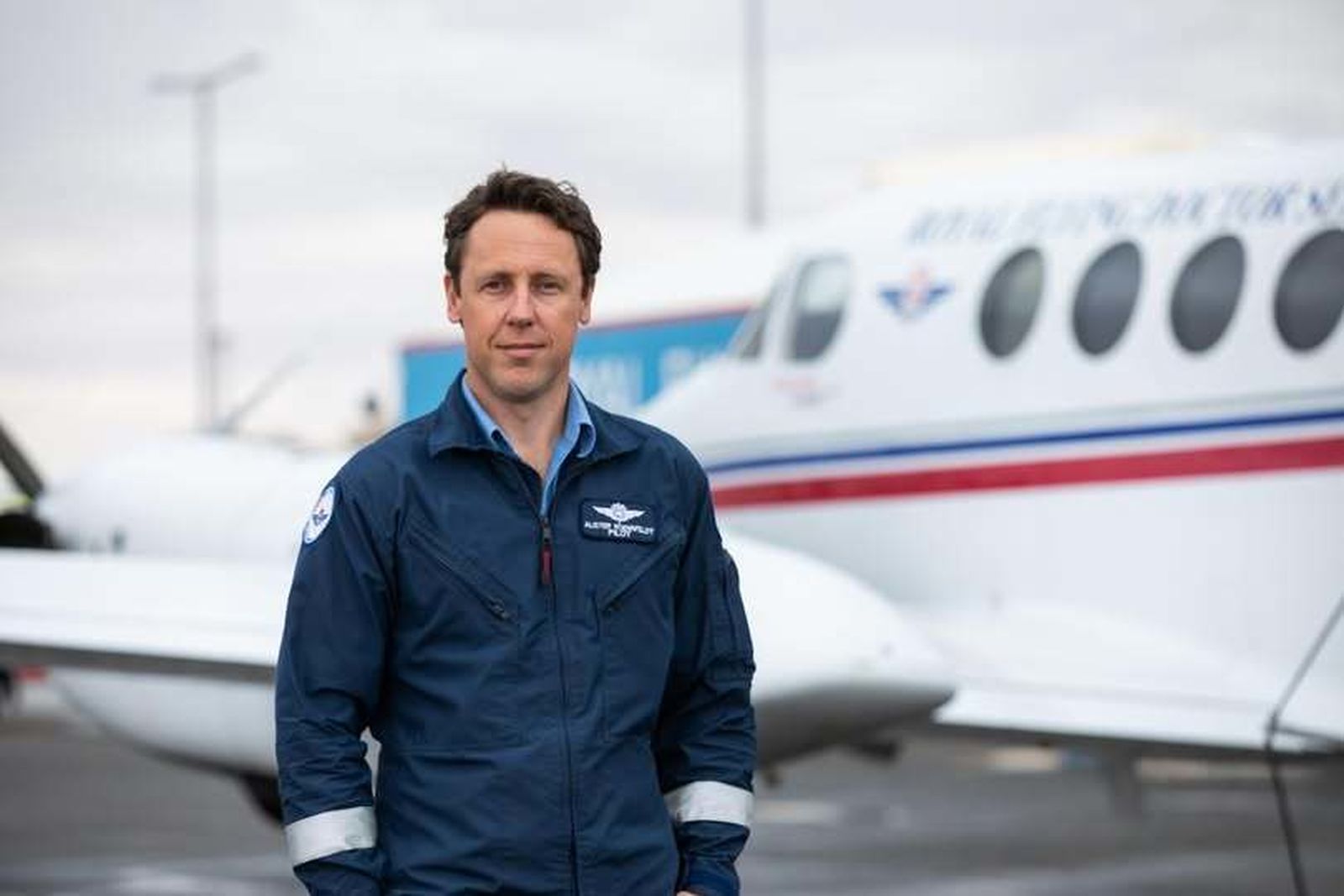
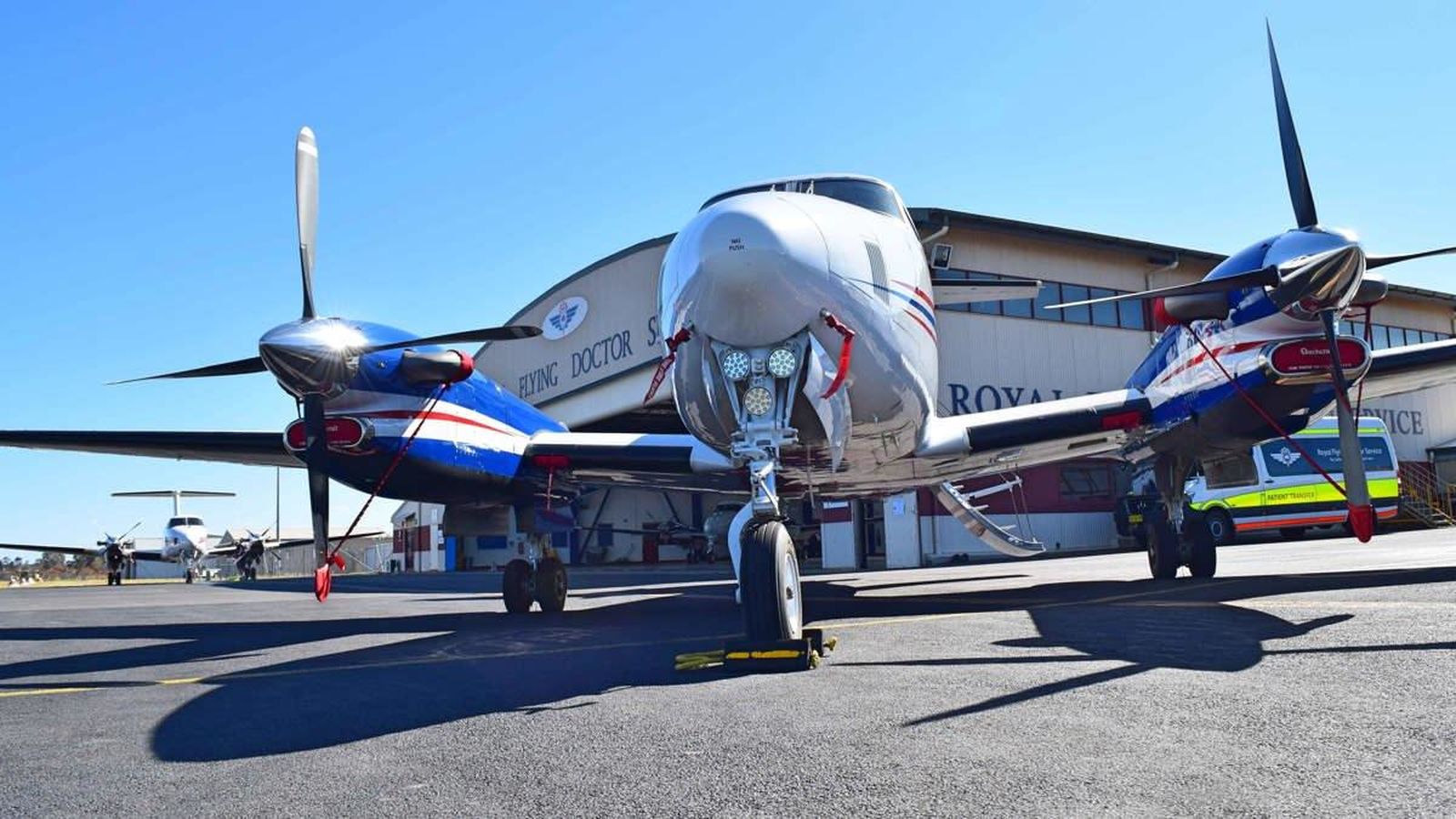
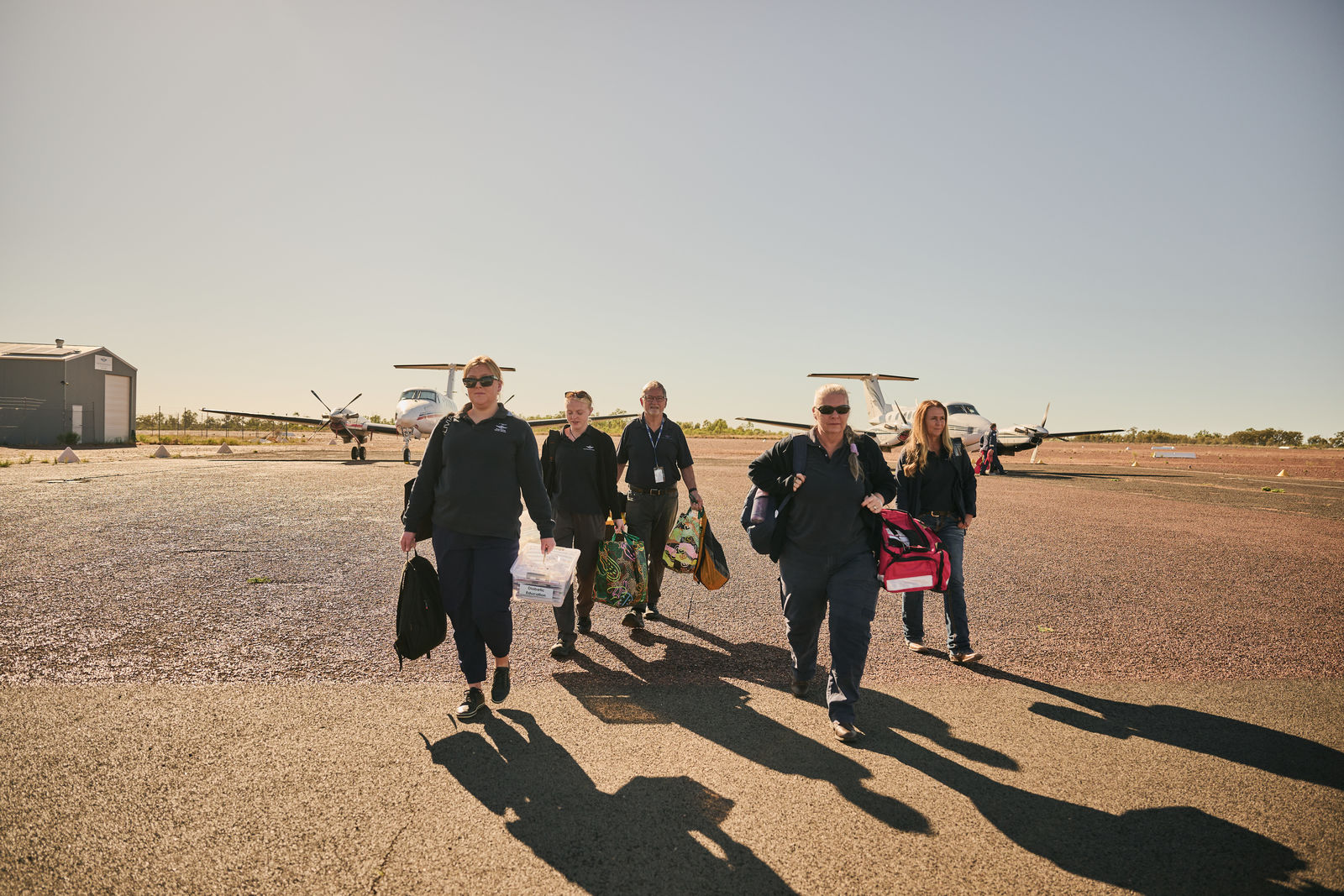
Watch the full interview: Flying with Purpose. Alistair’s RFDS Story in the Dubbo Region
Imagine taking off from Dubbo airport and flying to rural and remote corners of NSW, delivering life-saving healthcare to some of the most isolated corners of the state, and being back to tuck your kids into bed that night.
For Alister Roennfeldt, it’s all in a day’s work.
Alister works as a pilot for the Royal Flying Doctor Service South Easter Section, based in Dubbo, and it’s a lifestyle he wouldn’t give up for any type of city offer.
Raised near Wagga Wagga in southern NSW, Alister was flying planes from an early age, working as a junior instructor at a flying school in western Melbourne when he was 21 years old.
Moving between Wagga Wagga, Sydney, Albury and Bathurst, Alister worked in a number of roles, with the NSW Government, to charter work and flight instruction.
He then took a trip to Port Hedland in Western Australia.
“That was my first stint with the Royal Flying Doctor, and I did five years with them flying their PC12 aircraft.
“Lots of night shifts and 14-hour shifts over there, I did 3000 hours of flying in five years.”
He left the RFDS and moved to Canberra for a three-year contracted position with Qantas, flying a Boeing 717 regional jet with 110-125 passengers up and down the east coast.
“After three years in the ACT we decided the airline lifestyle wasn’t for us. It was a decision between taking a promotion or getting out, and we decided we really wanted to get back to the country.
“The ‘airline lifestyle’, where three-day trips were becoming the norm, wasn’t for me when I wanted to be home with my young family. At the RFDS, they need the airplane back that day, so there is real care and focus about getting the plane and the people back home at the end of the shift. A lot of the industry has gone away from that, because it’s cheaper for them to keep people on the road, but coming home each day was important to me.
“Having worked with the RFDS in Western Australia, I looked to join the RFDS South Eastern Section.
“They didn’t have a Dubbo position at that time, but they did have one in Mascot (Sydney) or Broken Hill. We were given the option, and we chose Broken Hill. That was a starting point because even then we knew that what we really wanted was to get to Dubbo; that was the whole plan all along for that stage of our life.”
“I’m not a city person. I lived there for nine months and I’ve spent a lot of time going in and out of the city for work, but I just couldn’t see myself and my family moving to a bigger place than Canberra – even that was a bit of a stretch. We just weren’t looking for that lifestyle.
“We would choose remote over city any day. There are some great experiences in those towns, and you are thinking about the future for our kids and the opportunities for them.”
In 2020, in the middle of the COVID pandemic, Alister, his wife Rebecca and their two children made the move to Dubbo.
“We had been to Dubbo to have a look around the year before when the region was still in drought, and we were surprised at how much was still going on. There was still a lot of building and growth, and the city had a vibe that we really liked in regional towns.
“We visited the schools and got a really good feel that this would be a fun place to live, and you could have a really good future here and stay here for a longer term, which was something we hadn’t really done since we got married, we had always moved around.”
Lake Burrendong was also a drawcard.
“We love big lakes, so having Burrendong just an hour away was a sale point for us. I grew up an hour away from Lake Hume and we love our boating and waterskiing so being able to head up the road to a big lake and get away was really attractive for us.”
Alister said through his job he had developed a passion for serving people living in the country as well as being out in the bush.
“The farm that I grew up on was just outside of Calcairn and I’ve always loved the bush and aviation and being able to work in the country in health care just brings that all together.
“The idea of emergency service in an airplane is so interesting, and there is such a variation within in the work. When I come on shift, I don’t know where I’m going or what I’m doing most days. It could be 4-6 hours of work, it could be 12 hours, it could be stuck somewhere and not getting home. There’s variation and there’s autonomy in this role, which is hard to find in the airline industry.
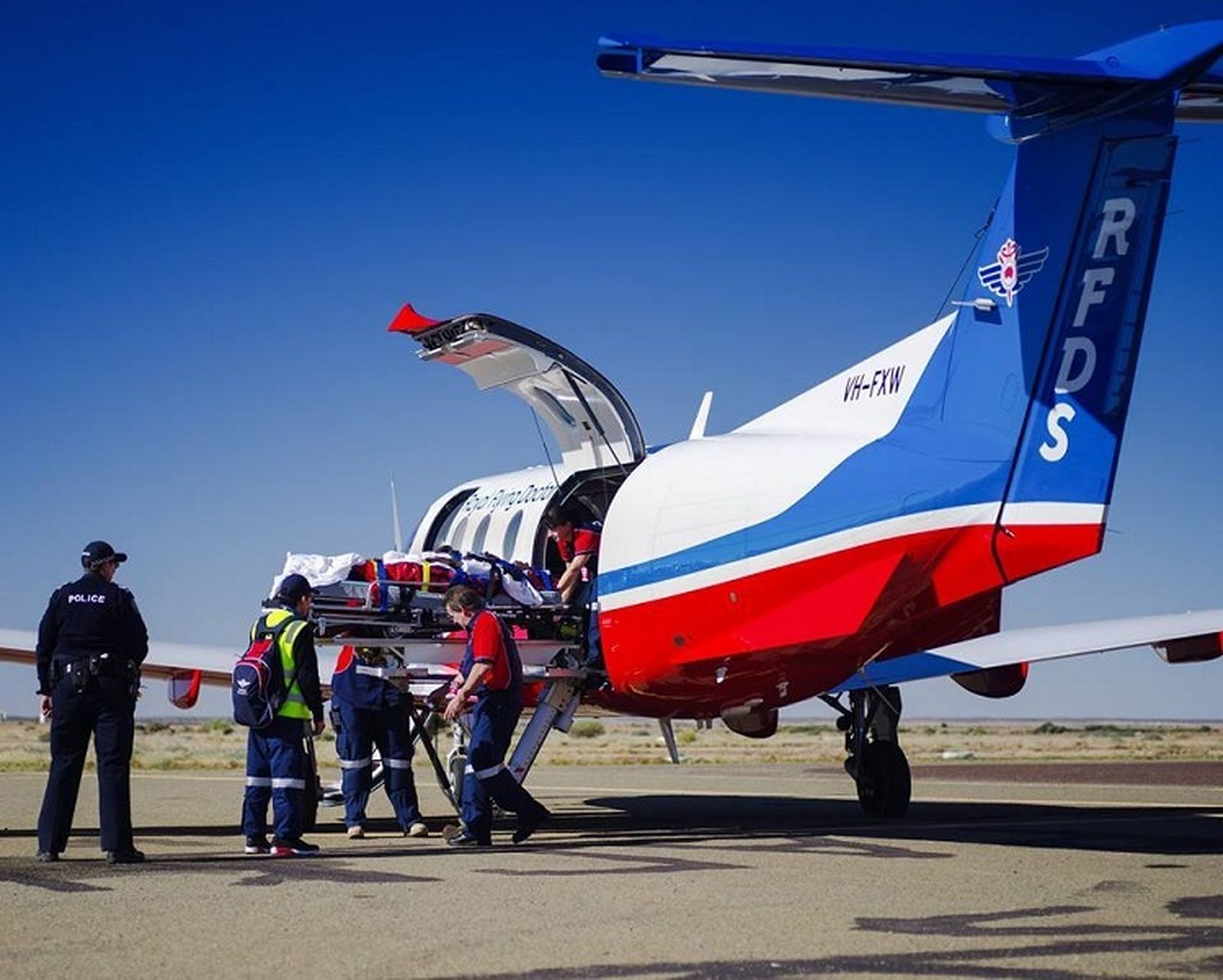
Alister’s main job as a pilot is to get the health team out to the patient, however with a small team, he doesn’t just fly the plane.
“We help with getting the patient onto the bed and getting them in and out of the plane, we assist with safety briefings and try and put them at ease as we fly them to higher level care, usually to Dubbo or Sydney and sometimes Melbourne, Newcastle or Adelaide.”
“It’s on-call work, we wait for the phone call, but we also have to be fit and prepared to do the job at any time of the day and in any weather – most of the questions on the risk assessments before each job are about the weather,” Alister said.
When he is rostered for the clinical flying, the job is to drop the doctors and nurses at towns in the morning and pick them up in the afternoon in a small 10-seater plane.
“We have places we generally service, like Bourke and Cobar, south to Wagga Wagga and north to Lightning Ridge and Moree, but when the work demands, we can go to Deniliquin, Melbourne, the North Coast or anywhere. It really depends on where we are needed at the time.”
To connect and discuss a career with the RFDS: Work for the Flying Doctor | Royal Flying Doctor Service
For more stories from our region, view our webpage: regionontherise.com.au